🔑 Key Takeaways
- If you don’t pay credit card debt US, expect late fees up to $41, penalty APRs near 30%, and a credit score drop of up to 80 points.
- After 180 days, charge-off hits, debt goes to collections, and stays on your report for 7 years.
- Lawsuits can lead to wage garnishment or liens, but statute of limitations (3-10 years by state) eventually blocks legal action.
- You won’t go to jail, but ignoring it snowballs debt via interest and collectors.
- Contact your issuer early—settlements or plans beat the chaos of default.
What Happens If You Don’t Pay Credit Card Debt in the US
I’ve seen mates ignore their credit card bills thinking it’ll vanish, but if you don’t pay credit card debt US, it kicks off a brutal chain reaction. Late fees smack you first—up to $30 on the initial miss, jumping to $41 for repeats within six cycles. That fee piles onto your balance, and interest starts compounding on it too.
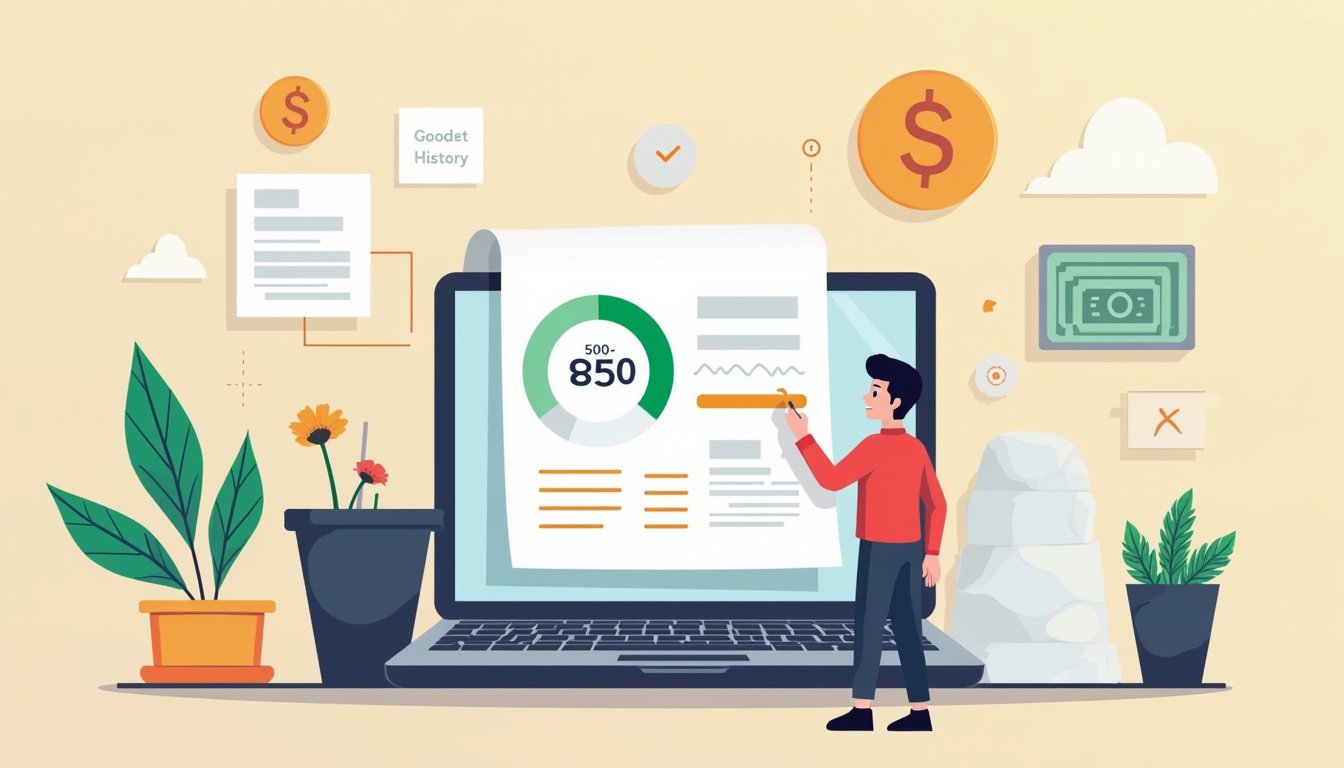
Your issuer reports the delinquency to credit bureaus after 30 days past due. FICO says one late payment can tank your score by 80 points. It’ll linger on your report for seven years, making loans, rentals, or even jobs tougher.

60 Days In: Penalty APR Kicks In
By day 60, expect a penalty APR—often 30% or higher—tacking on massive interest. Some issuers skip late fees altogether, but most don’t. Your minimum payments barely dent the principal now; debt spirals.
I’ve been there advising folks: catch it quick or watch it explode. Call your issuer before 30 days; they might waive fees or adjust terms if you explain hardship.
The Charge-Off Nightmare When You Don’t Pay Credit Card Debt
Hit 180 days unpaid, and bam—charge-off. Your creditor writes it off as a loss, closes the account, and sells it to a debt buyer or hands it to collections. You’re still liable, but now dealing with aggressive debt collections.
Your credit score plummets further. Collections stay on your report seven years from delinquency date. Scammers lurk here—demanding personal info or threatening jail? Hang up and report them.
Collectors hound via calls, letters, even work. Under FDCPA, they can’t harass, lie about amounts, or threaten arrest. Send a cease letter if it gets bad, but they can still sue within limits.
Credit Score Drop: The Silent Killer
A credit score drop is immediate and savage. Payment history is 35% of your FICO score. One 30-day late? Up to 80-point hit. Multiple misses or charge-off? Could be 100-150 points gone.
It affects everything: higher insurance premiums, denied apartments, job rejections. Recovery starts with on-time payments elsewhere, but full rebuild takes years. Secured cards or credit-builder loans help rebuild faster.
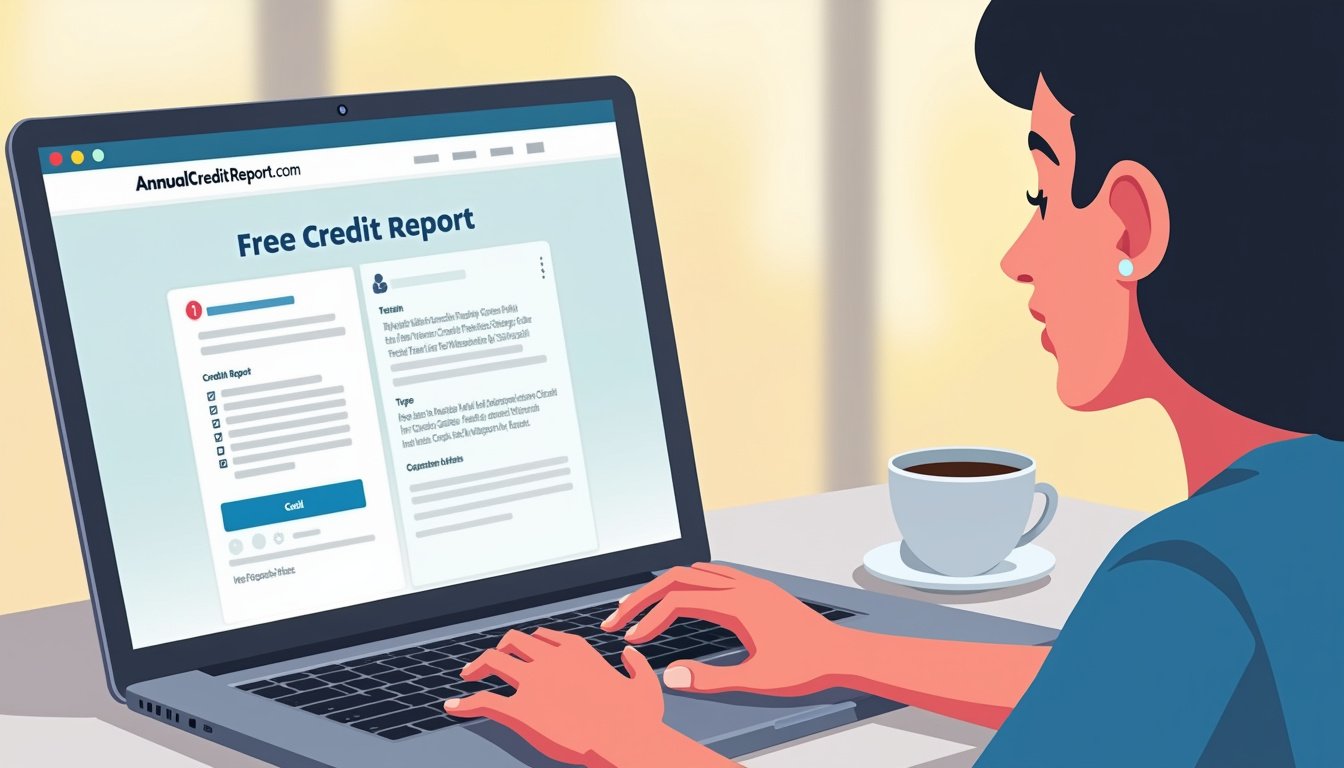
Pro tip: Check your score free weekly via AnnualCreditReport.com. Dispute errors early to minimise damage.
Lawsuits and Judgments: When Debt Collections Go Nuclear
Creditors or collectors can file lawsuits anytime before statute of limitations runs. Win a judgment, and they garnish wages (up to 25% in most states), seize bank funds, or lien property.
Miss court? Default judgment auto-wins for them. State laws vary—some protect more assets. Get legal aid; don’t ignore summons. Bankruptcy might wipe it, but tanks score worse short-term.
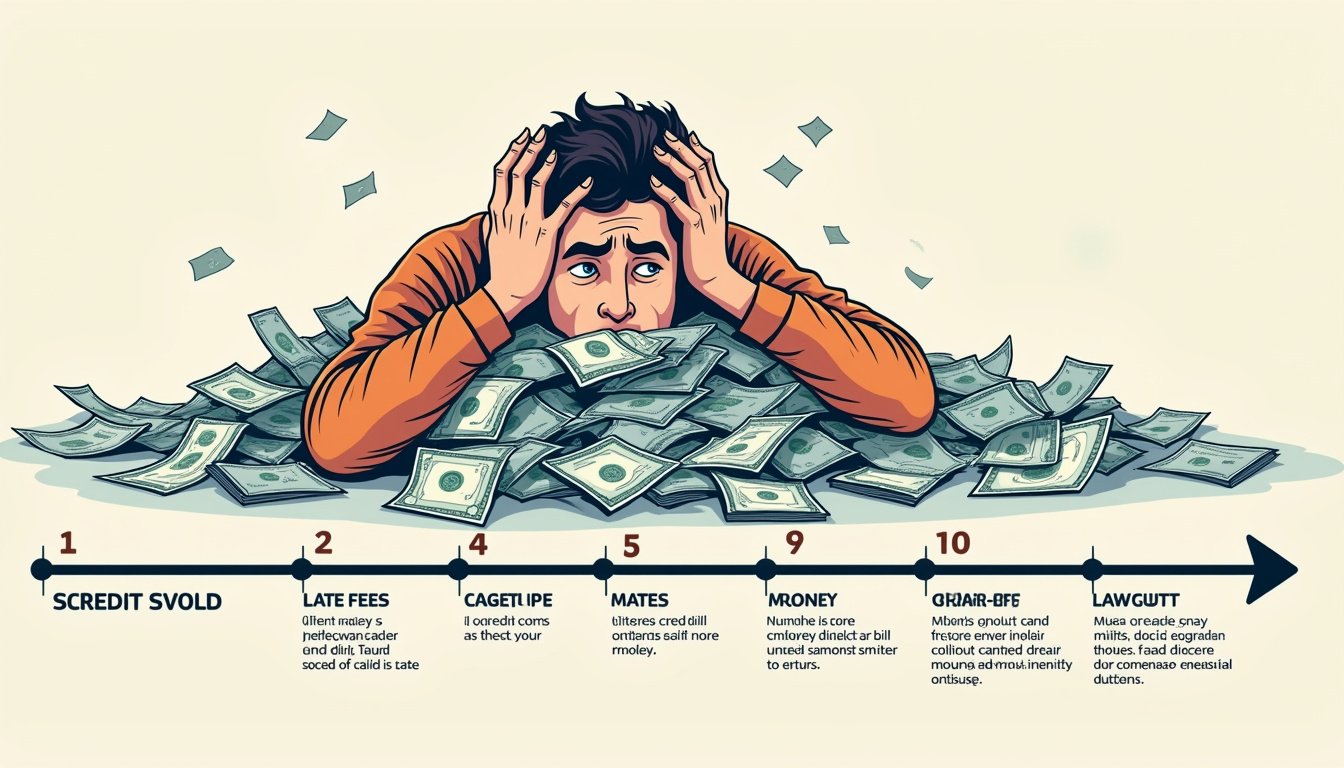
Here’s a real breakdown of consequences by timeline:
| Timeline | What Happens | Impact |
|---|---|---|
| 1-29 Days Late | Late fee ($30 max) | No credit report hit yet |
| 30-59 Days | Reported to bureaus, penalty APR | Up to 80-point score drop |
| 60-179 Days | Intense calls, higher interest | Score keeps falling |
| 180+ Days | Charge-off, collections | Collections on report 7 years |
| After Lawsuit Win | Garnishment or liens | Legal judgments last 7-10 years |
Statute of Limitations: The Clock That Saves You
Every state has a statute limitations on suing for credit card debt—3 years in places like Texas, up to 10 in others like Rhode Island. After it expires, no lawsuit possible, though collectors can still bug you.
Trick: Don’t make payments or promises on time-barred debt—resets the clock in some states. Get agreements in writing. Debt still dings credit seven years regardless.
Check your state’s limit via Nolo or attorney. If past it, send cease letter and breathe—but pay if conscience nags, just don’t revive legally.
Why Ignoring Debt Keeps Happening (And Why It’s Dumb)
People don’t pay credit card debt US because denial hits hard—’I’ll sort it next month.’ Job loss, medical bills pile up, and minimums feel impossible. Interest averages 20-30%, so balances balloon.
Collectors scare with jail threats—total lie for unsecured debt like cards. No prison for not paying, ever. But the stress? Real. Mental health tanks, relationships suffer.
Real talk: I’ve coached dozens. Hardship programs, debt management plans via non-profits like NFCC, or balance transfers work better than dodging. Even bankruptcy beats endless collections.
Options Before It Blows Up
- Contact issuer ASAP: Ask for hardship plans, lower APR, or fee waivers. They prefer payments over charge-offs.
- Debt settlement: Negotiate lump-sum payoffs for 30-50% less. Hurts score but ends it.
- Credit counselling: Non-profits consolidate payments, cut rates. Free consults available.
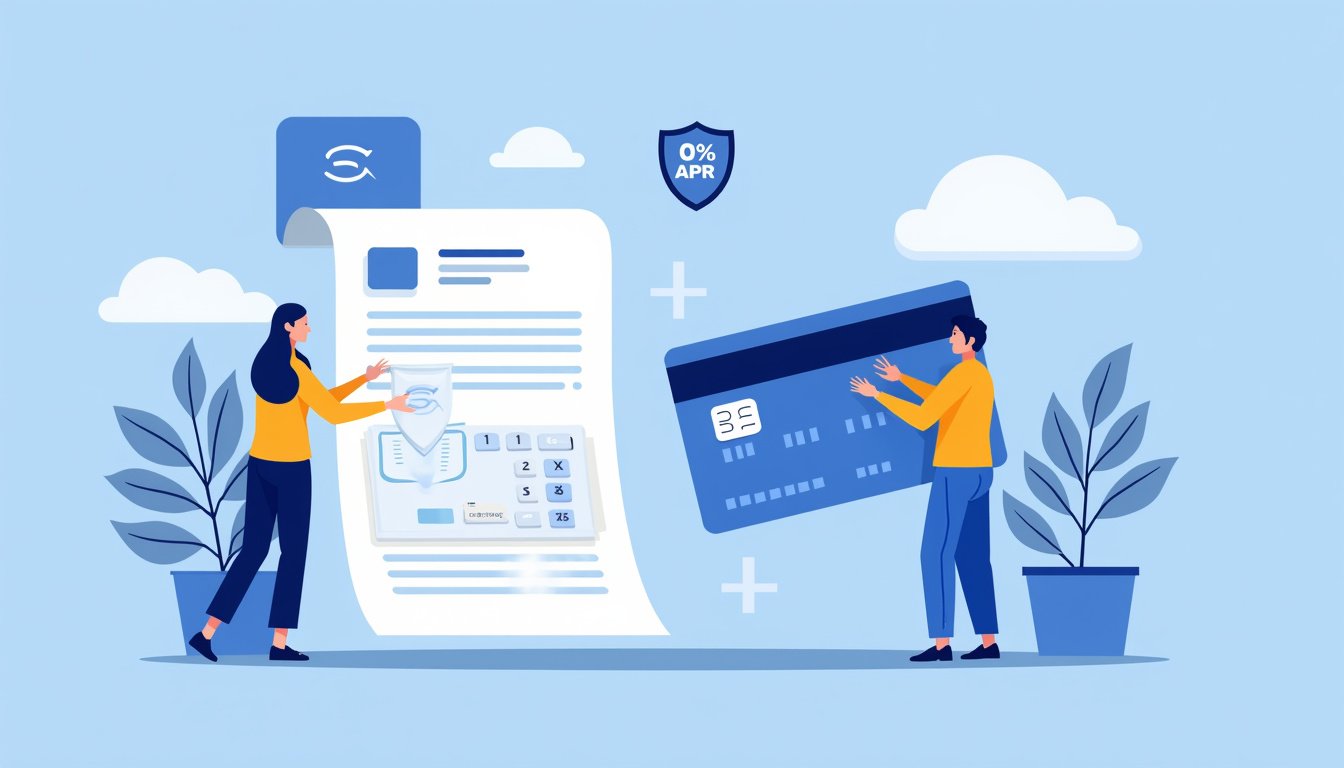
- Balance transfer cards: 0% intro APR buys time—pay aggressively.
- Bankruptcy last resort: Chapter 7 wipes unsecured debt, Chapter 13 restructures.
Avoid payday loans or scams promising miracles. Track spending with apps like Mint. Build emergency fund post-crisis.
Rebuilding After the Mess
Once stabilised, focus on rebuild. Pay all bills on time—builds positive history. Use 30% credit utilisation max. Add positive accounts slowly.
Scores recover: 6-12 months for big jumps if consistent. Time heals—seven years max for negatives. Don’t apply everywhere; approvals ding scores.
Financial freedom? Possible. Budget ruthlessly, cut subscriptions, side hustle. You’re not your debt; act now.
Final Word
Look, don’t pay credit card debt US and it haunts you—fees, score wreckage, lawsuits, endless calls. But act fast with issuer chats or pros, and you flip the script. I’ve seen it turn lives around; yours next?
Frequently Asked Questions
Can I go to jail if I don’t pay credit card debt?
No way—unsecured consumer debt like credit cards never leads to prison. Collectors threaten it to scare you, but it’s illegal under FDCPA. Complain if they try.
How long does a charge-off stay on my credit report?
Seven years from the first delinquency date. It hurts, but consistent good behaviour fades its impact over time.
What’s the statute of limitations on credit card debt?
Varies by state: 3 years minimum (e.g., Texas), up to 10 (e.g., Rhode Island). After that, no lawsuits, but debt collectors can still contact unless you cease them.
Will paying a little on old debt reset the statute?
In many states, yes—even a promise revives it. Get everything in writing and check your state’s rules first.
How do I negotiate with debt collectors?
Offer a lump sum 30-50% off, get settlement in writing before paying. Record calls (check state laws), and never admit debt verbally without plan.