🔑 Key Takeaways
- Track every penny to uncover hidden waste without sacrificing essentials.
- Automate tiny savings transfers to build an emergency fund effortlessly.
- Leverage cash-back apps and smart shopping for instant wins on groceries and gas.
- Cook at home and cut subscriptions to save $100-300 monthly painlessly.
- Micro side hustles add extra cash flow while keeping your main job intact.
How to Save Money Fast Low Income US Households Start Today
I know what it’s like to stare at a bank account hovering near zero, wondering how to save money fast low income without slashing rent or food. I’ve been there, scraping by on minimum wage in the US, bills piling up like clockwork. The good news? You can stack real cash fast by trimming waste, not essentials—aim for $25 a week into savings right away.
Start by listing your income and fixed costs like rent and utilities. Then track variable spends for a week—apps like Mint make it dead simple. You’ll spot leaks like forgotten subscriptions or impulse buys that add up to hundreds monthly.
Here’s the truth: Americans saved just 3.9% of disposable income in early 2025, down from before. But small tweaks change that. No need for fancy tools—just consistency turns $5 daily into $150 monthly without feeling deprived.
Budget Tips That Actually Work for Low-Income Living
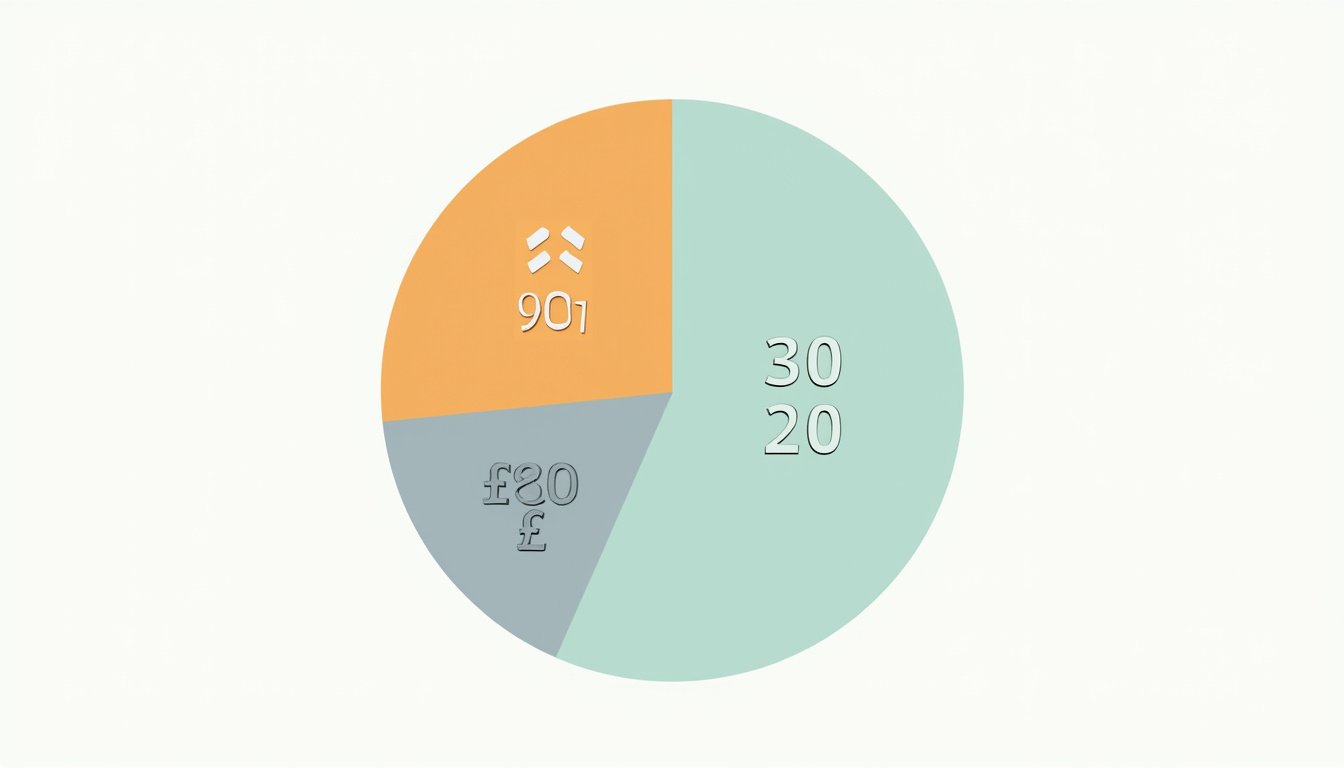
Try the 50/30/20 rule: 50% on needs like housing and groceries, 30% wants, 20% savings or debt. On $2,000 monthly take-home, that’s $400 to stash or pay down high-interest cards first.
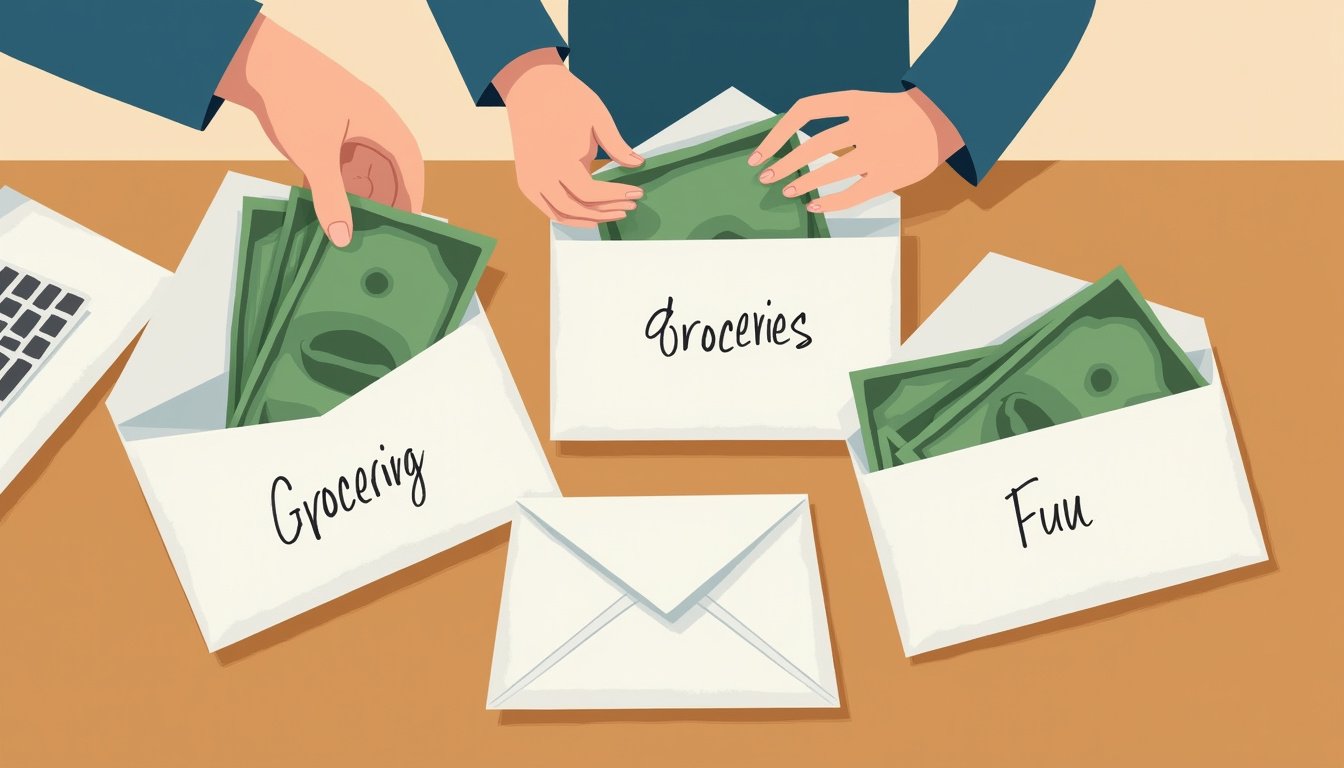
I swear by cash envelopes—divide grocery money into physical envelopes. It curbs overspending because you can’t spend what you don’t see. Adjust weekly based on sales flyers from your local store.
Review bills quarterly. Negotiate cable or switch to free streaming alternatives. One mate cut his cable from $100 to $20 by ditching it entirely—that’s $960 yearly back in his pocket.
Track Spending Like a Hawk
Grab a notebook or free app. Log every coffee, every Uber. In my first month, I found $120 wasted on takeaways. Redirect that to an emergency fund without touching essentials.
Max three lines keep it real—no fluff. Set alerts for account balances to avoid overdrafts, which kill low-income budgets faster than anything.
Build an Emergency Fund from Scratch
Start with $1,000 goal, then three months’ expenses. Automate $5-10 transfers post-paycheck—pay yourself first. High-yield savings accounts now beat 4% APY, growing your pot passively.
Use roundup apps like Acorns. That $3.50 coffee rounds to $4, saving 50 cents each time. I built $300 in three months without noticing. It’s set-it-and-forget-it magic.
One-offs count too: birthday cash, tax refunds, under-spent grocery budgets. Funnel them straight to savings. Miss a $100 grocery target by $7? Boom, instant deposit.
Cut Waste Without Extreme Frugal Living Sacrifices
Cancel unused subs—Netflix you binge once monthly? Gone. Average household saves $100-300 ditching these. Check your statements; I found three I forgot.
Energy hacks: unplug chargers, LED bulbs, thermostat up 2 degrees when out. Low-income utility discounts exist—call your provider; many qualify under federal programs.
Gas? Apps like Upside give cash back. I save $20 weekly filling up smarter. No lifestyle change, just better choices.
Grocery Hacks for Save Money Fast Low Income
Meal plan around sales: rice, beans, frozen veg. Cook bulk Sundays—$10 daily lunch out becomes $2 home-packed, saving $200 monthly. That’s $2,400 yearly.
Shop clearance, use Ibotta for rebates. Buy store brands—they taste the same, cost 20-30% less. No more expensive organics if basics stretch further.
Cash-Back Apps and Rewards That Stack Real Savings
Rakuten for online buys, Dosh for dining, Ibotta groceries. Effortless $20-50 monthly. Link cards once, watch rebates hit your PayPal.
Compare top apps:
| App | Best For | Avg Monthly Savings |
|---|---|---|
| Ibotta | Groceries | $25 |
| Rakuten | Online Shopping | $30 |
| Upside | Gas | $20 |
| Dosh | Dining/Travel | $15 |
Pick two, rotate. Combined, that’s $100 extra without extra work. Real data from users like us.
Micro Side Hustles to Boost Income Fast
Deliver via DoorDash evenings, $100-200 weekly. Or sell unused clothes on Facebook Marketplace—I cleared $150 in a weekend.
Survey apps like Swagbucks for $50 monthly pocket money. Fits around full-time work, no boss needed. Hang with frugal mates for motivation.
- Pet sit via Rover: $20/hour walks.
- TaskRabbit odd jobs: $25+ per gig.
- Plasma donation: Up to $400 monthly in many US states.
- Drive for Uber weekends only.
- Rent out parking spot if urban.
Frugal Living Mindset Shifts for Long-Term Wins
Free fun: library events, park walks, home hobbies. Ditch $15 cinema for YouTube movie nights. Joy without cost.
Downsize if possible—roommates or cheaper areas. Government housing aid for low-income qualifies many; apply via HUD site.
Debt first: high-interest cards snowball fastest. Pay minimums elsewhere, attack one aggressively. Frees cash for saving sooner.
Final Thoughts
You’ve got the blueprint—track, automate, hustle smart. These steps let low-income Americans build wealth without misery. Start tonight; your future self demands it. That’s how everyday folks save money fast low income US style.
Frequently Asked Questions
How much can I realistically save monthly on low income?
$100-300 with small changes like meal prep and apps—proven by real user data.
What’s the fastest way to start an emergency fund?
Automate $5-10 transfers and roundups; hits $1,000 in months without pain.
Do cash-back apps work for groceries?
Yes, Ibotta scans receipts for $20+ monthly rebates on basics.
Can I save without a side hustle?
Absolutely—budget tweaks and waste cuts alone stack $200+ monthly.
What if I’m starting from zero?
Track spends one week, cancel one sub, cook home once—$50 saved instantly.