🔑 Key Takeaways
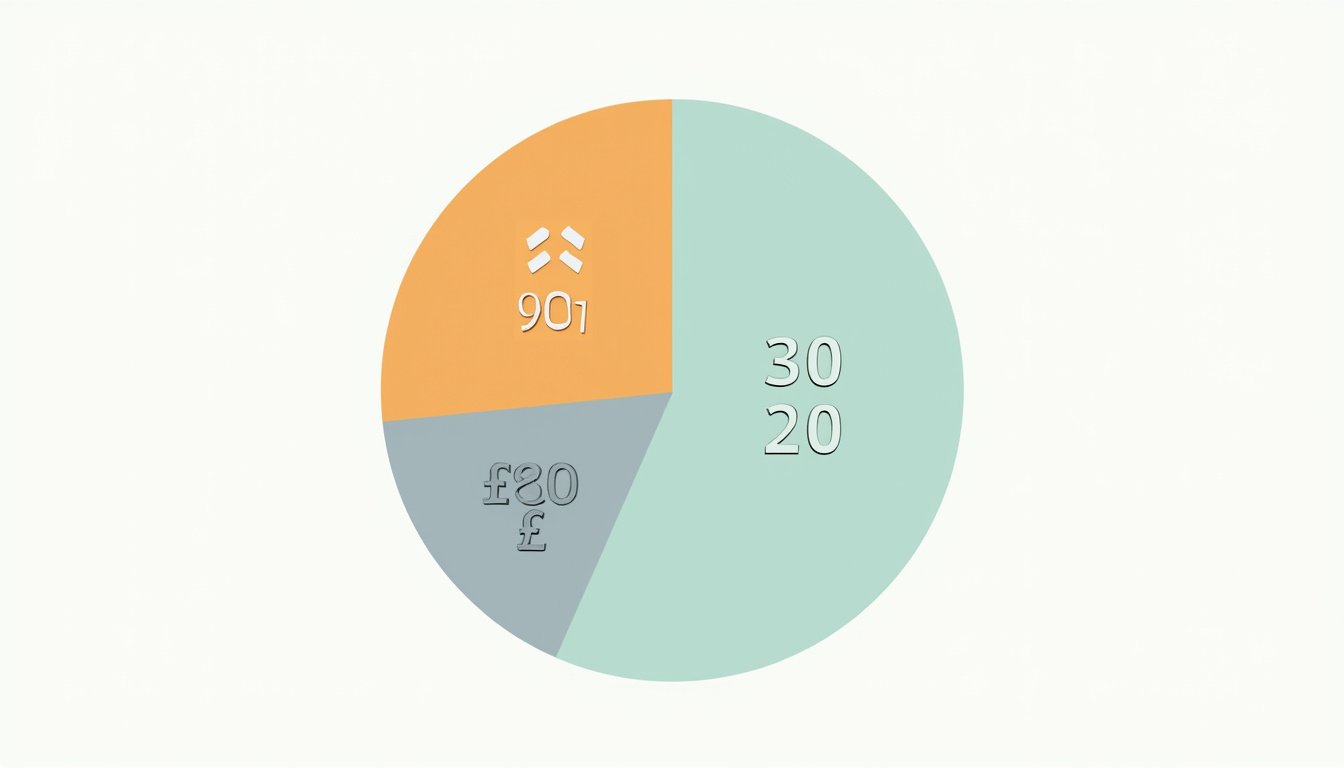
- The 50/30/20 rule for beginners splits income into 50% needs, 30% wants, 20% savings.
- It’s simple but not perfect—adjust for high costs like rent.
- Great starting point, builds habits fast.
- Track everything first before diving in.
- Flexibility beats rigid rules for real wins.
What the 50/30/20 Rule for Beginners Actually Means
The 50/30/20 rule for beginners changed how I first got my finances straight. It splits your after-tax income into three buckets: 50% for needs, 30% for wants, and 20% for savings or debt. No complicated spreadsheets needed.
I remember staring at my bank app, clueless where money vanished. This rule gave me clarity in days. Needs cover rent, bills, groceries—stuff you can’t skip. Wants are fun like eating out or Netflix. Savings build your future.

Why does it work for newbies? It’s dead simple. Calculate your take-home pay, multiply by 0.5, 0.3, 0.2. Boom, targets set.
50/30/20 Rule Explained: Breaking Down Needs, Wants, and Savings
Let’s dive deeper into the 50/30/20 rule explained with real examples. Say your monthly take-home is £2,000. Needs get £1,000. That’s rent, utilities, food basics, transport, insurance.
Wants: £600. Think gym membership, new clothes, takeaways, hobbies. Not life-or-death, but makes life enjoyable. Savings: £400. Emergency fund, pension, debt payoff, or holidays.
I started here and saw leaks fast. Groceries crept into wants because I bought fancy coffee. Track ruthlessly at first.
Real Numbers: 50/30/20 Budget Percentage Breakdown Table
| Monthly Take-Home Pay | 50% Needs | 30% Wants | 20% Savings |
|---|---|---|---|
| £1,000 | £500 | £300 | £200 |
| £1,500 | £750 | £450 | £300 |
| £2,000 | £1,000 | £600 | £400 |
| £2,500 | £1,250 | £750 | £500 |
| £3,000 | £1,500 | £900 | £600 |
This table shows how it scales. I used mine with £2,200 pay—needs hit £1,100 easy, but wants ballooned.
Why the 50/30/20 Rule Works Brilliant for Beginners
For total beginners, this rule cuts overwhelm. No need for zero-based budgets yet. Just percentages keep you balanced: cover basics, enjoy some fun, save anyway.
Pros I saw firsthand:
- Super easy to start—no apps required.
- Forces savings habit from day one.
- Teaches budget percentage thinking quick.
- Flexible enough for life changes.
It built my confidence. After three months, I had £1,200 saved without feeling deprived.
Beginner Tips to Nail the 50/30/20 Rule
Here’s how I made the 50/30/20 rule for beginners stick. First, track spending for a week. Apps like Money Dashboard or a notebook work.
Sort expenses:
- Needs: Rent/mortgage, council tax, groceries, petrol, minimum debt payments.
- Wants: Dining out, subscriptions, clothes, pets, gadgets.
- Savings: Emergency pot, ISA, pension, extra debt payoff.
Tip: Automate transfers. Payday hits, move 20% to savings first. Needs next via direct debits. What’s left is wants—spend guilt-free.
Audit monthly. If needs top 50%, cut rent or side hustle. Wants over? Downgrade luxuries.
The Honest Downsides: When 50/30/20 Falls Short
Look, it’s not magic. In high-cost 2026 UK, rent in London eats 40% alone. Needs blow past 50% for many beginners.
Problems I hit:
- Rigid if costs spike—inflation kills it.
- Assumes steady income—gig workers struggle.
- 20% savings tough with student debt.
One mate ditched it because childcare crushed needs. Switched to 60/20/20. Point: Adapt it.
Flexible Budgeting Tweaks for Real Life
Don’t slave to exact budget percentages. I tweaked to 55/25/20 when rent rose. Key: Needs under 60%, savings minimum 10-20%.
Needs vs wants grey areas? Ask: “Would I pay if broke?” Yes=needs. Phone bill basic? Needs. Unlimited data? Wants.
Build buffer. Aim 3-6 months expenses in emergency fund first. Then invest.
Step-by-Step: Implement 50/30/20 Today
Ready? Here’s my no-BS plan:
- Grab last payslip. Note after-tax amount.
- List all spends last month. Categorise.
- Set limits using table above.
- Open separate savings account.
- Review weekly. Adjust.
I did this Sunday nights. Took 15 mins. After a month, habits locked in.
Long-Term Wins Beyond the Rule
Used it six months? Level up. Track net worth monthly. Increase savings to 25% as income grows.
Combine with side income. I added £300 freelance—went 50/25/25. Freedom snowballed.
Remember, it’s a launchpad. Ditch when you outgrow it for custom plans.
Final Verdict on the 50/30/20 Rule
I’ve tested it, tweaked it, lived it—the 50/30/20 rule for beginners delivers if you start honest. It’s your financial gym membership: shows up, follow plan, results follow. Grab control now; future you says cheers.
Frequently Asked Questions
What exactly is the 50/30/20 rule?
It divides after-tax income: 50% needs like bills and food, 30% wants like entertainment, 20% savings or debt. Simple start for beginners.
Is the 50/30/20 rule good for beginners?
Yes, dead easy and builds balance. Track first, automate savings, tweak as needed.
What if my needs exceed 50%?
Common in high-cost areas. Adjust to 60/20/20, cut wants, boost income.
How do I categorise needs vs wants?
Needs: must-haves to survive. Wants: nice-to-haves. Grey? Skip if money tight.
Can I use apps for 50/30/20?
Absolutely. Emma, Yolt track automatically. Or spreadsheet if old-school.